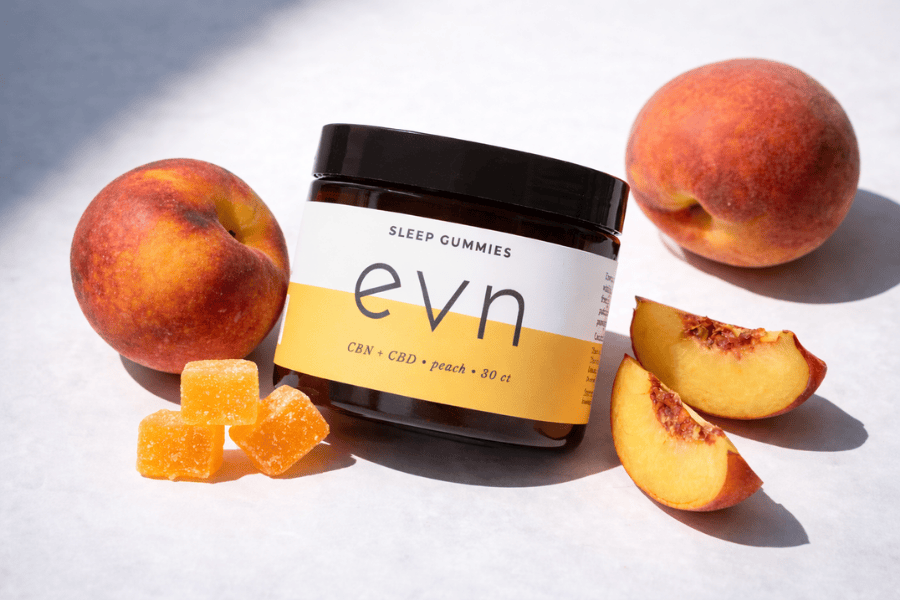

Restful sleep is the foundation of a healthy life. Besides allowing you to be refreshed and productive in the morning, it affects your mind and body in the long run. Evidence connects proper sleep to higher mental and physical resilience.
But what if you can't fall asleep on time or what if you tend to wake up in the middle of the night? If this happens regularly, you may need medical advice. However, in addition to professional assistance, you can improve your sleep with the right choice of terpenes.
Terpenes are organic compounds found in many plants, including cannabis. Terpenes offer a variety of therapeutic benefits, and understanding which ones promote sleep can guide you in selecting the right cannabis products for your needs.
What Are Terpenes and How Do They Work?
In simple terms, terpenes make plants smell a certain way. For example, they are responsible for the pronounced scent of roses! These organic compounds are part of all plants. However, not all of them produce a fragrance you can notice easily. And, of course, not all of these odors are appealing.
What Do Terpenes Do?
Besides being responsible for the aromatic experience, terpenes have other functions. For example, they affect the way plants taste.
Terpenes also act as natural defense chemicals that repel insects and herbivores while attracting helpful organisms. In simple terms, terpenes are a plant's stress-response system. They can offer protection from heat, injury, and even infection.

Terpenes and the Endocannabinoid System
The endocannabinoid system (ECS) is a network of receptors in your body that helps regulate things like mood and pain.
The two main receptors are CB1 (mostly in the brain) and CB2 (mostly in the immune system and body tissues).
Some terpenes can interact with ECS receptors. For example, beta-caryophyllene can directly bind to the CB2 receptor and act a bit like a cannabinoid, which may help reduce inflammation.
In cannabis, terpenes may also contribute to the "entourage effect." They help cannabinoids work better together or change how strongly they activate receptors.
Some terpenes may also affect other receptors (like serotonin or GABA), which can indirectly modify mood and anxiety.
However, terpenes don't activate ECS receptors as strongly as major cannabinoids like THC do. Scientists are still figuring out exactly how much they contribute in humans.
How Terpenes Affect Your Body through ECS
Here's how the interaction between terpenes and the ECS can impact your body:
- Mood: Certain terpenes interact with serotonin and dopamine, which can reduce stress and improve emotional balance. If you're interested in learning more about mood-boosting terpenes, check out our blog about the best terpenes for euphoria.
- Pain: Some terpenes influence pain perception by reducing inflammation or calming overactive nerve signals.
- Appetite: Terpenes may affect hunger signals by influencing brain pathways involved in appetite regulation.
- Inflammation: Anti-inflammatory terpenes can interact with immune-related receptors, helping the body manage irritation and swelling.
- Immune responses: Certain terpenes can support immune balance by influencing how immune cells respond to stress.
And, of course, terpenes can affect your sleep. They can calm your nerves and make your body ready for a longer REM cycle. Terpenes don't force fatigue and drowsiness. Instead, they create the perfect conditions for your body to relax.
Top Terpenes for Sleep and Relaxation
Not all terpenes work the same way. Some may add energy and focus to your cannabis experience, while others can help you sleep. You may not achieve the desired result on the first try, but here are the terpenes you may want to start with:
Linalool
Linalool is a floral-scented terpene. It's most commonly found in lavender, which people have been using for relaxation for centuries. Studies show that linalool can be highly useful for insomnia. It even has the potential to become an alternative to over-the-counter sleeping pills.
Research suggests that linalool interacts with GABA receptors in the brain, the same inhibitory system targeted by many prescription sleep medications. However, it does so in a gentle manner, offering relaxation without sedation.
Myrcene
Myrcene is one of the most common terpenes in cannabis. It often comes up in connection with what is referred to as the "couch-lock" effect. This effect is associated with a deep, intense, relaxation. You feel so tired that you can't move. A perfect state for leaving all problems behind and getting ready for a good night's sleep.
Research shows that Myrcene has the potential to extend your sleep time. It promotes muscle relaxation and extends the sedation effect of cannabis. It's a great choice for people whose physical tension interferes with their sleep.
Terpinolene
Terpinolene is a subtle terpene with a complex floral-herbal aroma. Although it's rarely one of the dominant terpenes in most sleep formulas, terpinolene can contribute to a gentle calming effect.
Some studies demonstrate terpinolene's sedative effect. However, studies on humans have yet to be done. Nevertheless, it can be a great choice for people who need to relax before bed without feeling overly drowsy too quickly.
The combined effect of terpinolene with other calming compounds may help transition the nervous system into a more restful state.
Beta-Caryophyllene
Beta-caryophyllene binds to CB2 receptors of the ECS. This interaction can help with stress reduction and relief from physical tension.
While beta-caryophyllene itself is not strongly sedative, it does a great job reducing anxiety and supporting calm. This effect helps you fall asleep faster and sleep more deeply.
Humulene
Humulene is not the classic "sleep terpene." Its soothing properties promote relaxation, easing discomfort and reducing physical tension before bedtime.
While the effects of humulene specifically are less studied than other terpenes, many cannabis enthusiasts believe that it works for them.
How to Incorporate Sleep-Boosting Terpenes into Your Routine
Incorporating terpenes into your nightly routine is simple and just requires some experimentation. While they may not work instantly, consistent use can help you achieve the desired results over time.
Aromatherapy with Terpene-Rich Essential Oils
One of the easiest ways to use terpenes is through aromatherapy. When you breathe in terpene-rich scents, they signal your brain to slow down and relax.
Lavender oil, which is high in linalool, is one of the most popular options for sleep. Here is how to implement it into your routine:
- Use it in a diffuser
- Add drops to a warm bath
- Apply to your wrists or pillow
Aromatherapy works best when used consistently. Using the same calming scent each night helps train your brain to associate that aroma with bedtime.
Choosing Cannabis Strains High in Sleep-Friendly Terpenes
If you use cannabis, terpene profiles may matter even more than strain types. Many strains classified as "indica" are high in relaxing terpenes. However, checking the detailed label is the most reliable way to know what you are getting.
You can also approach budtenders in dispensaries and ask them for recommendations.
If your goal is to improve your sleep, you can benefit from cannabis with lower THC content and higher CBD and calming terpenes. And, of course, always start with a low dose. Finding the right THC:CBD:Terpene balance may take time.
Using Terpene-Infused Products
There is also a possibility to use terpenes without smoking or vaping cannabis. These include:
- Tinctures: Easy to dose, work gradually
- Edibles and beverages: Longer onset, longer-lasting effects
- Topicals: Work on the surface to reduce muscle tension
When choosing terpene-infused products, read labels carefully and avoid products with stimulating terpenes like limonene.
Tips for Enhancing Sleep Naturally
Terpenes aren't a magic pill. They are an addition to your healthy sleep routine. While doing a great job supporting your body's natural rhythms, terpenes aren't a replacement for proper sleep hygiene.
Build a Consistent Bedtime Routine
Your body likes patterns. Going to bed and waking up at the same time every day helps regulate your internal clock. Try to create a simple bedtime routine that lasts 30 to 60 minutes.
This might include:
- Dimming the lights
- Stretching
- Reading
- Using calming scents
Avoid intense conversations or heavy meals right before bed. These can cancel out the calming effects of terpenes.
Reduce Screen Time and Mental Stimulation
Blue light from smartphones and tablets can interfere with melatonin production. Melatonin is the hormone that tells your body it's time to sleep.
Try turning off screens at least 30 to 60 minutes before bedtime. If that feels difficult, start small by reducing screen brightness or switching to audio-only content.
Create a Calm Sleep Environment
Your bedroom should feel like a safe place for rest. Keep the room cool, dark, and quiet when possible. Comfortable bedding also makes a big difference.
Using a diffuser with sleep-friendly terpenes can enhance the environment. After some time, your brain may start associating that scent with sleep.
Combine Terpenes with Other Natural Sleep Aids
You can combine terpenes with other natural sleep supports, but don't overdo it. Here are some good terpene supporters:
- Melatonin: Helps regulate sleep timing.
- Magnesium: Helps relax muscles and calms the nervous system
- Herbal teas: Chamomile or valerian root can help you relax and feel ready for rest
When you add calming terpenes to the mix, these tools may work together to support deeper and more restful sleep.
If you take medications or have a medical condition, make sure to check with a healthcare professional before combining supplements.
Sleep Better, Live Better
Improving your sleep hygiene is a major step toward improving your quality of life. While you are crafting your own sleep routine, take a look at terpenes. These natural compounds can make it easy to relax and fall asleep regardless of how stressful your day was.
To find the right terpenes for your needs, take a comprehensive approach and experiment with incorporating them into your routine. While results may not be immediate, consistent use, paired with other sleep regulation methods, can help you achieve your sleep goals.
References
1) Europe PMC. (n.d.). Europe PMC. https://europepmc.org/article/MED/23339024
2) Good sleep a big player in resilience and strengthening the mind. (n.d.). Nature. https://www.nature.com/articles/d42473-022-00490-7
3) Jha, N. K., Sharma, C., Hashiesh, H. M., Arunachalam, S., Meeran, M. N., Javed, H., Patil, C. R., Goyal, S. N., & Ojha, S. (2021). β-Caryophyllene, A Natural Dietary CB2 Receptor Selective Cannabinoid can be a Candidate to Target the Trinity of Infection, Immunity, and Inflammation in COVID-19. Frontiers in Pharmacology, 12, 590201. https://doi.org/10.3389/fphar.2021.590201
4) Surendran, S., Qassadi, F., Surendran, G., Lilley, D., & Heinrich, M. (2021). Myrcene—What are the potential health benefits of this flavouring and aroma agent? Frontiers in Nutrition, 8, 699666. https://doi.org/10.3389/fnut.2021.699666
5) Wang, M., Faust, M., Abbott, S., Patel, V., Chang, E., Clark, J. I., Stella, N., & Muchowski, P. J. (2024). Effects of a cannabidiol/terpene formulation on sleep in individuals with insomnia: a double-blind, placebo-controlled, randomized, crossover study. Journal of Clinical Sleep Medicine, 21(1), 69–80. https://doi.org/10.5664/jcsm.11324