
Both weed and nicotine affect your brain. While the consumption process is similar, the impact on your body can be very different. The difference stems from the chemical makeup of the cannabis and tobacco plants.
Marijuana's key components are CBD and THC. They are responsible for the majority of the effects the plant has on your body. Meanwhile, tobacco's main active and addictive ingredient is nicotine.
Weed and nicotine may sometimes be consumed the same way, but the effects and risks differ. For some people, using both can be acceptable, while others may choose neither. Comparing the two can help you see why the knowledge you have of one product can't be projected onto the other.
Weed vs Nicotine: What's the Difference?
Weed is derived from the Cannabis sativa plant. Dried flowers, leaves, stems, and even seeds can be used to create various products.
The main cannabinoid in weed is delta-9-tetrahydrocannabinol (THC). It causes the feeling of being high associated with marijuana products. However, weed contains many other cannabinoids like CBD that can also affect the experience.
Nicotine is a chemical that naturally occurs in the tobacco plant. However, tobacco isn't the only plant containing this chemical, just the one with the highest content. Other plants in the nightshade family like tomatoes and potatoes contain some nicotine as well.
This chemical acts as a stimulant drug when it enters the body. While it can cause mild euphoric feelings, they are short-lived.
The main difference between the two lies in the way they work, hence the effects. Weed's THC content is responsible for the mind-altering effects, while tobacco's nicotine is responsible for stimulating effects.
Nicotine activates the brain's reward pathway and drives addiction. However, the chemical isn't the only source of risk. Tobacco smoke creates an additional (and completely separate) danger to the body.
Weed vs Nicotine: Effects
Due to the difference in their chemical makeup, weed and nicotine affect the brain in different ways.
How Weed Affects You
THC binds to cannabinoid receptors in the brain. These receptors are part of the endocannabinoid system (ECS), which helps regulate functions like memory and appetite.
This interaction is what makes you feel the effects. You could feel relaxed or focused while noticing changes in perception. One of the most talked about effects of weed, "the munchies," stems from the direct impact of THC on the ECS. THC can also slow reaction time and reduce coordination.
Since the ECS works differently in every body, the effects of weed are also different for everyone who tries it. Other factors affecting these differences include dosage and product type.
Even two cannabis products with similar THC levels may produce different experiences for one person because of other cannabinoids in the plant. This is called the entourage effect.
How Nicotine Affects You
Nicotine works by attaching to nicotinic acetylcholine receptors in the brain. This triggers the release of chemical messengers, including dopamine. After consumption, you can experience an increase in pulse and blood pressure.
While regular nicotine users sometimes describe it as calming, withdrawal symptoms may be responsible for this effect. When nicotine levels fall, a dependent smoker may feel tense or uncomfortable, and using nicotine again can relieve those feelings (temporarily).
Is Nicotine More Addictive Than Weed?
According to the National Institute of Drug Abuse, nicotine is highly addictive. Numerous studies confirm this fact. The reason behind this is the way nicotine activates the brain's reward system. Repeated exposure usually makes the brain adapt to its presence.
Cannabis can also become addictive. Some people develop cannabis use disorder, which can involve difficulty cutting back or continuing to use cannabis despite problems it's causing. The risk rises with frequent use. It may also be higher when cannabis consumption starts at a younger age. An estimated 30% of cannabis users develop a dependence.
Tolerance, dependence, and addiction don't mean the same thing:
- Tolerance: You need more of a substance to get the same effect
- Dependence: Your body may react when you stop.
- Addiction: Involves compulsive use that continues even when it's causing harm
A person can develop tolerance or dependence without having an addiction.
Weed vs Nicotine: Which Is Worse for Your Health?
A simple answer doesn't exist. The effect can be different depending on the product type and consumption method.
For example, while nicotine isn't harmless, it's not responsible for all of the damage cigarettes cause. Many of the severe long-term risks of cigarettes come from inhaling tobacco smoke. Research links cigarette smoking to cancer, heart disease, and lung disease.
Smoking cannabis has a different effect on your brain. However, the smoke itself isn't harmless either. Cannabis smoke contains many of the same toxins and irritants found in tobacco smoke, which in turn can lead to lung issues.
Vaping eliminates combustion, so there is no burning plant material. However, it's hardly risk-free because vape aerosols can contain harmful substances.
Edible cannabis has a completely different risk profile. However, THC can still cause intoxication and impairment. The delayed effects of edibles can also make it easier to consume more than intended.
In short, the health risk comparison depends mostly on the consumption method. While the substance matters, the delivery method can affect the level of risk.
Smoking Weed vs Smoking Nicotine
When you smoke either weed or tobacco, the plant material burns and creates smoke that you inhale into your lungs. That smoke contains chemicals and very small particles created by combustion.
Cannabis smoke contains many of the same toxins and irritants found in tobacco smoke. Research also connects cannabis smoking with respiratory problems such as bronchitis and coughing.
However, comparing a cannabis joint directly with a tobacco cigarette is difficult. People may smoke the two products at very different frequencies, so their total exposure can vary greatly. This is why both the substance and the consumption frequency matter.
Vaping Weed vs Vaping Nicotine
A vape turns liquid into aerosol mist. A nicotine vape usually delivers nicotine, while a cannabis vape may contain THC or other cannabinoids.
Since combustion doesn't take place, there isn't any smoke. However, that doesn't mean vape aerosol is harmless. Factors that may affect the way vaping each product feels are:
Speed
Vaped THC takes effect much faster than edible cannabis. Inhaled cannabis can begin producing effects within seconds or minutes, while edibles take longer to kick in.
Quality and Composition
The ingredients and their concentration can change the experience. Higher quality products have the potential to create a smoother experience. Meanwhile, the ingredient mix contributes to the entourage effect.
Dependence
Nicotine vapes can lead to nicotine addiction, while frequent THC use can contribute to cannabis use disorder.
Weed vs Nicotine Withdrawal
When someone uses either substance regularly, they may experience withdrawal after stopping.
Cannabis withdrawal can involve irritability and changes in sleep. Some people also experience cravings and appetite changes. These symptoms are more likely in people who have been using cannabis frequently.
Nicotine withdrawal can cause strong cravings and irritability. As your brain adjusts to functioning without nicotine, you can feel restless and experience concentration difficulties.
The intensity and duration of these symptoms depend on many individual factors, including your pattern of use and psychological factors.
| Withdrawal Factor | Weed (Cannabis) | Nicotine |
|---|---|---|
| Common symptoms | Irritability, sleep changes, decreased appetite, restlessness | Strong cravings, irritability, restlessness, difficulty concentrating |
| Cravings | Can occur, especially with frequent use | Often strong and persistent |
| Sleep | Trouble sleeping or unusual/vivid dreams may occur | Sleep disturbances can occur |
| Mood | Irritability, anxiety, or low mood | Irritability, anxiety, or low mood |
| Appetite | Often decreases temporarily | Often increases |
| When symptoms begin | Typically within 1–2 days after stopping | Can begin within hours after stopping |
| Typical course | Often improves within 1–2 weeks, though some symptoms may last longer | Often strongest during the first few days and gradually improves over several weeks |
Can You Use Weed and Nicotine Together?
Some people use weed and nicotine during the same period or even at the same time. However, their effects don't necessarily complement each other because they affect the brain differently.
Using both can also make it more difficult to know which substance is responsible for a particular effect. Cannabis and tobacco use frequently occur together, and using both can be connected with patterns of continued substance use.
There is also the consumption method to consider. When cannabis and tobacco are both smoked, you are exposing your lungs to smoke from both products. Accordingly, the negative effects add up.
Using one substance doesn't cancel out or balance the effects of the other. Each still carries its own effects and risks.
Is Weed Better Than Nicotine?
There is no universal answer. What science does know is that neither substance is harmless. Comparing them without considering how they are used can be misleading.
Tobacco smoking has particularly well-established long-term health risks. Cigarette smoking causes cancer and heart disease. It can also cause serious lung disease.
Cannabis carries different risks. THC can cause intoxication and impairment, while frequent use can lead to cannabis use disorder. Smoking cannabis also exposes the lungs to combustion products.
Several factors can change the comparison:
- The quality of the product
- How frequently you use it
- The amount you consume
- The consumption method
- Your age and health
- Your reason for using it
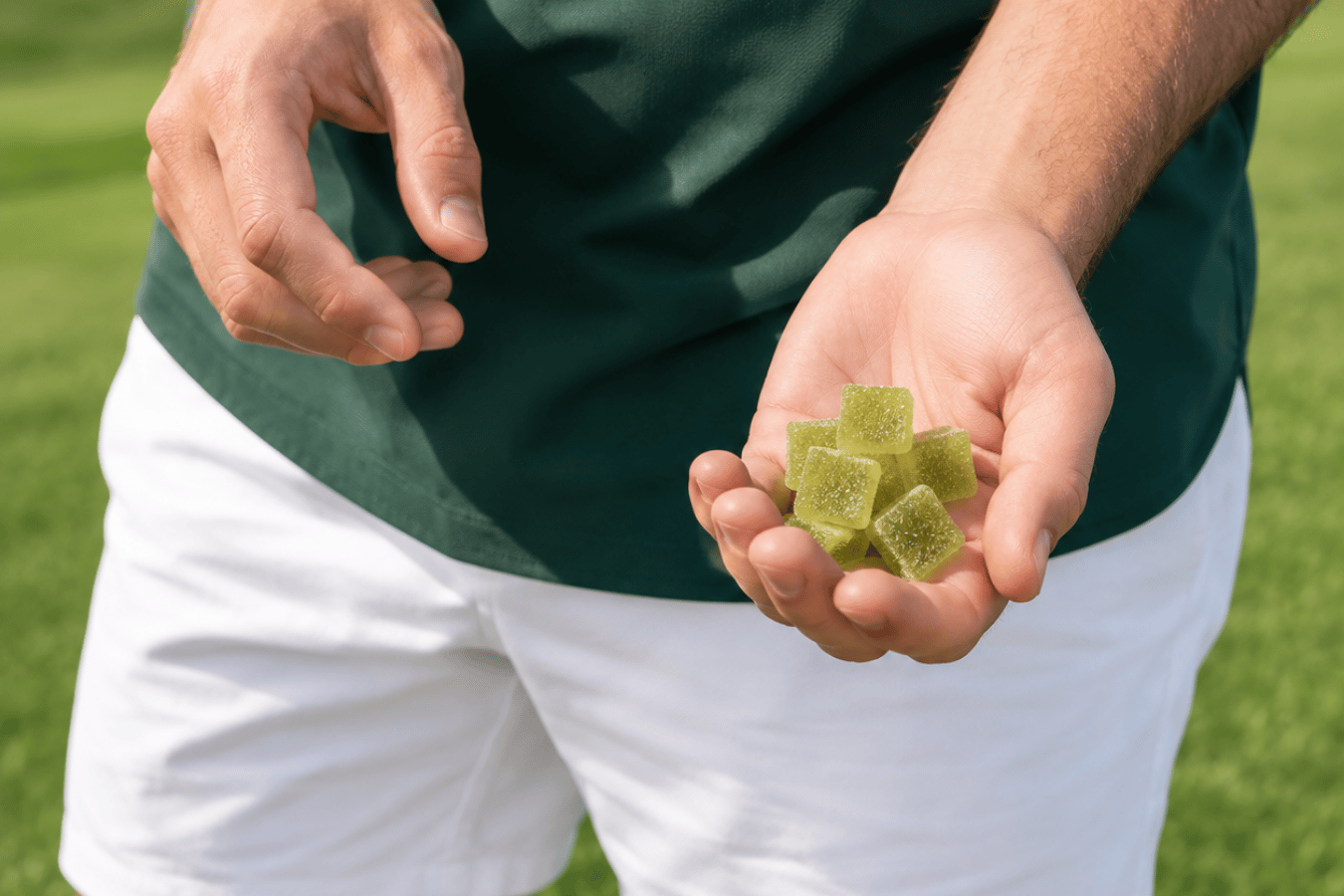
For example, comparing an edible gummy with a cigarette is very different from comparing cannabis smoke with tobacco smoke. The active substances are different, but the consumption method adds its own risks.
In short, weed and nicotine have different risk profiles. Which risks matter most depends on a variety of factors, including your medical history.
Weed vs Nicotine: The Bottom Line
Weed and nicotine can be consumed in similar ways and for similar purposes. However, they are fundamentally different substances. Nicotine is addictive, while THC can cause intoxication and impairment. It's like comparing meat and fruit based on the fact that they are both food.
People consume weed and nicotine for similar reasons. They want to experience the potential psychological and physical benefits. However, benefits aren't the only effects of these products. Keeping risks in mind can help you make the best choice for yourself.
FAQ
Is nicotine worse than weed?
A one-size-fits-all answer doesn't exist because cannabis and nicotine have different effects and risks. Tobacco smoking has serious established long-term health risks, while THC carries risks related to intoxication and cannabis use disorder.
Is weed more addictive than nicotine?
Nicotine has a high potential for dependence and addiction. Weed can also cause dependence, especially if you use it frequently.
Is smoking weed safer than cigarettes?
Cannabis smoke isn't harmless. It contains many of the same toxins and irritants found in tobacco smoke.
Is vaping weed worse than vaping nicotine?
Neither type of vaping is risk-free. THC and nicotine have different effects, while the composition and quality of the vape product can also change the risks.
Does nicotine get you high like weed?
Nicotine doesn't usually cause the type of intoxication associated with THC. Nicotine acts as a stimulant, while THC can alter perception.
Can you get addicted to weed?
Yes. Some people develop cannabis use disorder, which can make it difficult to stop cannabis use even when it is causing problems.
References:
- Hanson, M. (2026, January 26). Marijuana Addiction Statistics [2026]: Usage & Abuse Rates. NCDAS. https://drugabusestatistics.org/marijuana-addiction/
- Pubmed.ncbi.nlm.nih.gov. (n.d.). https://pubmed.ncbi.nlm.nih.gov/38056532/
- Tiwari, R. K., Sharma, V., Pandey, R. K., & Shukla, S. S. (2020). Nicotine addiction: Neurobiology and mechanism. Journal of Pharmacopuncture, 23(1), 1–7. https://doi.org/10.3831/kpi.2020.23.001